The Ugly Sheep
How the Master Taught Me to Learn From Those I Resented Most

There were Saturday afternoons in the temple when the warm-up felt like the real teaching. We would settle into a horse stance, feet angled outward, hips lowered until the legs began to burn. The posture looked simple, yet after a minute or two the body trembled and the mind softened in a way ordinary conversation never could. That was when the master spoke. Effort had a way of removing whatever kept us from hearing.
We had been talking about a man in the news, someone who had embarrassed himself again. It hardly mattered who, because there is always another one. What stayed with me was not his name but the sharp, easy way I dismissed him. I spoke with the confidence of someone certain about who was beneath him. The master did not respond. He simply told me to lower my stance a little more.
My thighs shook as incense drifted down from the temple above. Thin sunlight pressed through the small basement windows and stretched across the rubberized flooring. The room held a quiet, attentive stillness. When the moment felt open enough, and my certainty had thinned under the strain, he finally spoke.
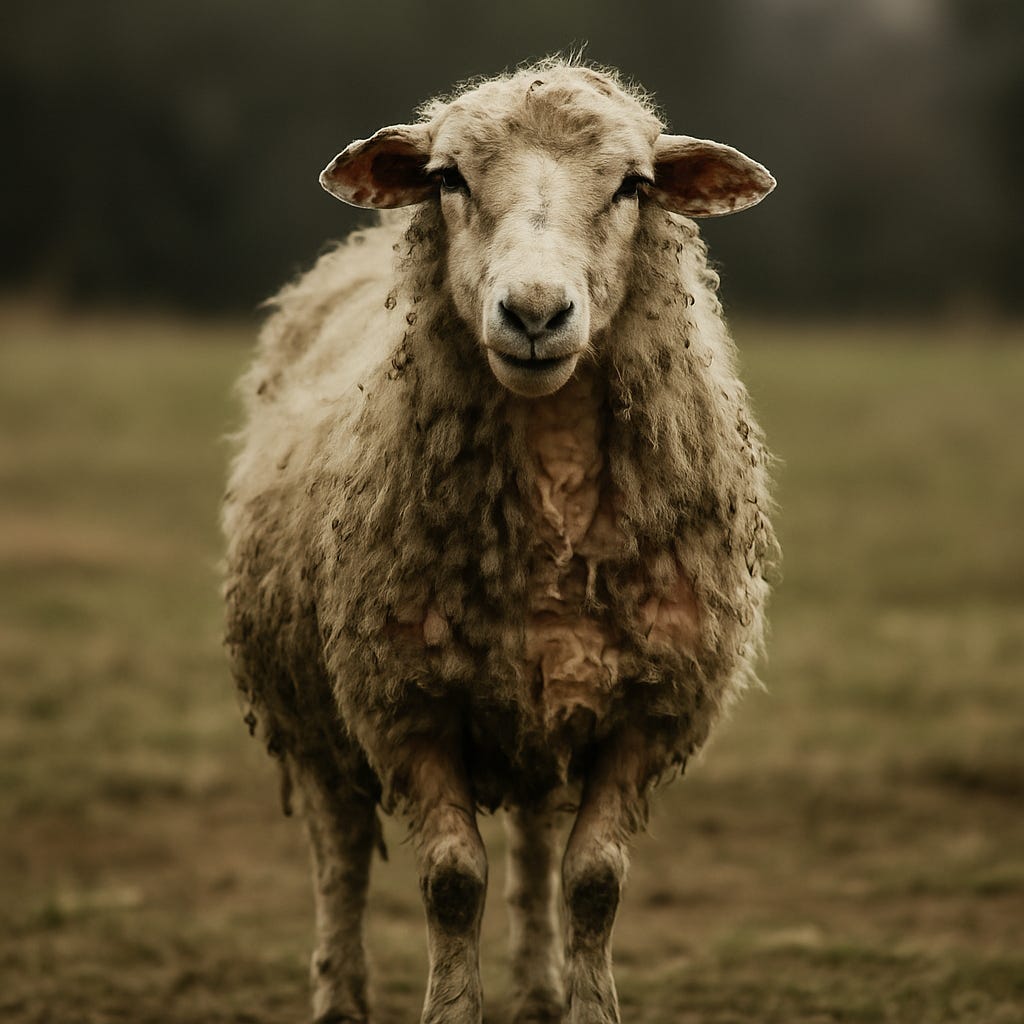
From the ugliest sheep you can take a tuft of wool.
He said it gently, as if pointing out something obvious. And once he said it, it was. Even the people I was quickest to reject carried something worth learning. Their flaws, their downfall, their blindness. Whether I approved of them had nothing to do with the value of the lesson. The world wastes nothing, and it does not want us to waste anything either. Sometimes the wool is coarse. Sometimes it is only a warning. But it is still wool.
Over the years he expressed the same truth in another form. What is a bad man but a good man’s teacher. He never said it with judgment. It was simply how life revealed itself. Those who frustrate us often teach by contrast. They walk ahead of us on paths we might take ourselves if we stopped paying attention. Their failures outline consequences more clearly than any explanation ever could.
In the Tao Te Ching, Laotse said it this way:
The Sage is good at helping men; therefore no one is rejected.
The Sage is good at saving things; therefore nothing is rejected.
This is not sentiment. It is clarity. When we throw someone away entirely, we often throw away the insight they carry. And life, patient in its instruction, tends to return that insight again and again until we finally receive it.
The master was not asking me to admire these people or excuse them. He was showing me how to see. The ones we resent trace the edges of our own shadow. They reveal what we fear becoming. They show where we cling too tightly or where we drift without noticing. If we pay attention, they save us time by pointing toward the places where we are most likely to stumble.
What he taught in that posture stayed with me long after my legs stopped shaking. It became one of those quiet truths that does not announce itself but continues working beneath everything else, shaping the way you meet the world.
From the ugliest sheep you can take a tuft of wool. And if you are willing to take it, you may find it is the one piece you need to keep walking forward.
Extrapolating...Worst of Humiliations... Vicariously..Teaches...Love, Ganga 🪔🕊️